So, I was fiddling around with my Solana setup the other day, and it hit me—why isn’t everyone using hardware wallets by now? Seriously, with all the yield farming and DeFi craziness on Solana, keeping your SPL tokens safe feels increasingly like a survival skill. But here’s the kicker: integrating hardware wallets with Solana’s ecosystem isn’t as straightforward as it sounds. At least, that was my gut feeling before digging deeper.
Look, Solana’s blazing fast blockchain is a game-changer, no doubt. But with speed comes complexity. Managing SPL tokens—those Solana Program Library tokens—isn’t just about sending and receiving anymore. You gotta think about staking, yield farming, and all sorts of DeFi wizardry. And honestly, trusting a hot wallet for that? Hmm… not the smartest move if you’re serious about security.
Wow! Hardware wallets add a layer of cold security that you just can’t beat. Yet, the integration part? That’s where things get tricky. Many wallets don’t play nice with Solana’s SPL tokens when hardware is involved. My first impression was that I’d have to juggle multiple apps and extensions, which is a pain.
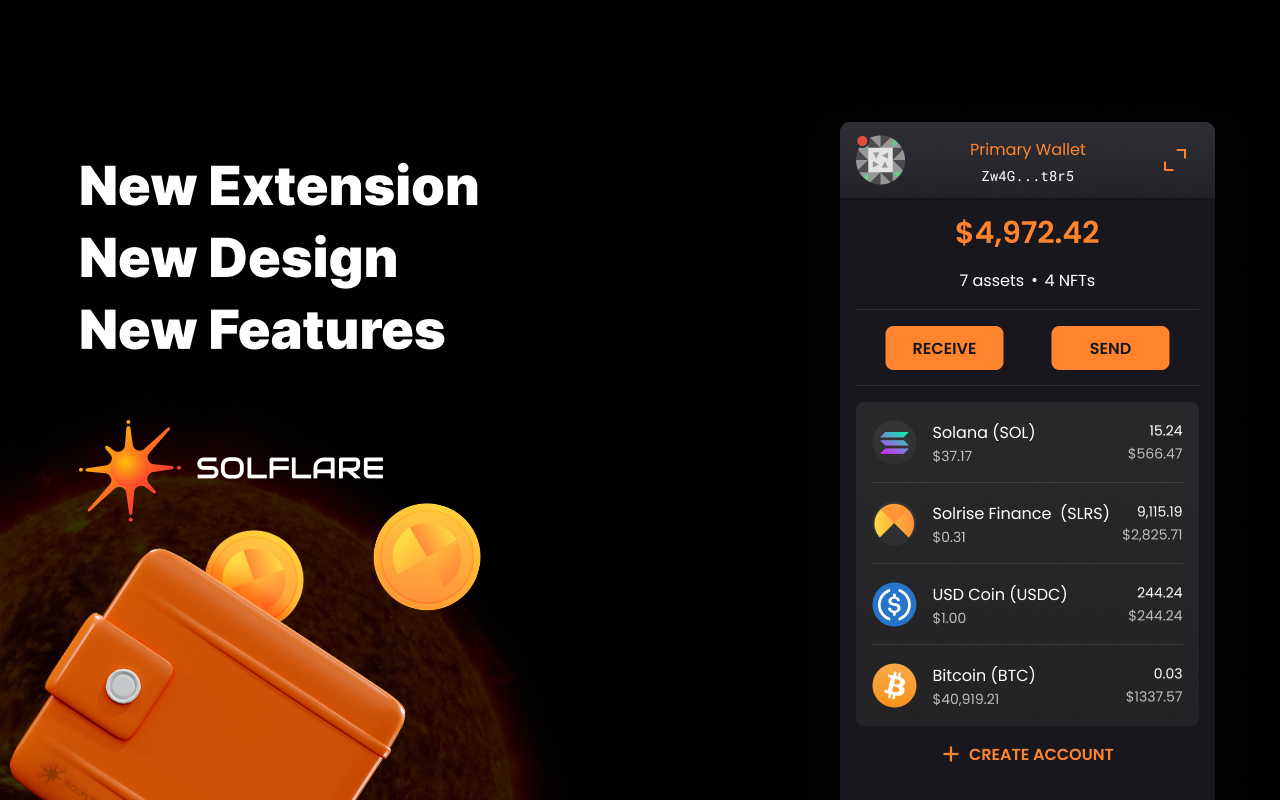
On one hand, you want maximum security. On the other, you crave seamless usability. Actually, wait—let me rephrase that: you want both, but that balance is tough to strike. That’s why I started exploring solutions that really merge hardware wallets with the Solana ecosystem effortlessly. And guess what? The Solflare wallet extension popped up as a solid contender, combining user-friendly design with hardware integration. You can peek here if you want to check it out yourself.
At this point, I had to admit: I was biased. I’ve always been a sucker for hardware wallets because of their cold storage benefits. But the Solana ecosystem moves fast, and sometimes I wonder if the extra clicks slow me down too much. Still, the tradeoff seems worth it given the risks involved with DeFi hacks and phishing scams.
Yield Farming: The Double-Edged Sword
Okay, so check this out—yield farming on Solana is insanely attractive right now. High APYs, low fees, and a growing list of projects eager to reward liquidity providers. But this is where I got stuck for a while. Yield farming usually means you’re locking up your SPL tokens in smart contracts, which inherently raises the stakes security-wise.
Initially, I thought, “Well, if I keep my tokens in a hot wallet, it’s just like a bank account—no big deal.” But then I remembered that unlike banks, there’s no FDIC insurance here. If your wallet gets compromised, or worse, your private keys get phished, you lose everything. Oof. That realization changed my approach.
Really? You might ask, “So what’s the fix?” Hardware wallets. They keep your private keys offline, which is huge because even if your computer gets malware, your keys remain untouched. The downside? Not every wallet extension supports hardware wallets seamlessly when dealing with complex SPL token interactions like staking or farming.
Here’s the thing: I tested several options, and the friction was real. Sometimes the wallet wouldn’t recognize my hardware device, or the staking process required awkward workarounds. That’s frustrating. But the Solflare wallet extension I mentioned earlier nails this integration much more smoothly, letting you stake and farm SPL tokens while your keys stay locked in cold storage.
It’s like having your cake and eating it too—well, almost.
Hardware Wallet Integration: What Makes or Breaks It?
From a technical standpoint, the challenge lies in bridging the hardware wallet’s offline signing capability with Solana’s dynamic on-chain programs. Because SPL tokens aren’t just simple transfers—they often involve interactions with multiple smart contracts, each requiring signed transactions.
On one hand, you want the security of a hardware wallet. On the other, you need the convenience of a wallet extension that understands the Solana ecosystem’s quirks. Actually, that’s a tall order. Some hardware wallets are built with Ethereum or Bitcoin in mind, so Solana support can feel like an afterthought.
But that’s exactly why solutions like the Solflare wallet extension stand out. They marry hardware wallet functionality with native SPL token support, so stakers and yield farmers don’t have to compromise. Plus, the UX is pretty slick—no endless prompts or confusing error messages. You get a more intuitive experience, which, frankly, is rare in crypto wallets.
Oh, and by the way, if you’re diving into this world, I highly recommend checking out here—it’s where I found a lot of my answers and saved myself some headaches.
Personal Take: Why I Won’t Skip Hardware Wallets Anytime Soon
I’ll be honest—there’s a part of me that envies the convenience of mobile wallets. Quick access, tap and go. But then my inner skeptic kicks in. Crypto hacks happen every day. I’ve seen friends lose thousands because of phishing or sloppy key management. That part bugs me. So, I stick with hardware wallets for anything serious.
That said, I’m not 100% convinced that hardware wallets are perfect for everyone. Sometimes the extra steps slow me down, especially when I’m juggling multiple DeFi protocols. But when I’m staking SPL tokens or yield farming with real value on the line, I want that extra peace of mind.
Something felt off about wallets that don’t support hardware devices fully. You get exposed without even realizing it. The moment you sign a transaction on a hot wallet, you’re trusting software that could be compromised. No thanks.
Still, I’m curious about how hardware wallet integrations will evolve. Will they get as seamless as mobile wallets? Will the UX keep up with the fast-moving Solana ecosystem? These are open questions for me.
Anyway, the takeaway? If you’re serious about staking or yield farming SPL tokens on Solana, don’t just settle for any wallet. Find one that respects your security needs and supports hardware wallets natively. It’s a no-brainer for protecting your assets in a wild DeFi landscape.
FAQ
What exactly are SPL tokens?
SPL tokens are Solana’s native token standard, somewhat like ERC-20 tokens on Ethereum. They represent assets on the Solana blockchain and power everything from DeFi projects to NFT platforms.
Why should I use a hardware wallet for Solana?
Hardware wallets keep your private keys offline, making it nearly impossible for hackers to steal your crypto, especially when engaging in complex activities like staking or yield farming with SPL tokens.
Can I use any hardware wallet with Solana?
Not all hardware wallets support Solana equally. It’s crucial to pick wallets that integrate well with Solana-focused tools like the Solflare wallet extension to ensure smooth transaction signing and token management.